
Yeast Industry Emerges as Model of Circular Economy, Says ASSITOL
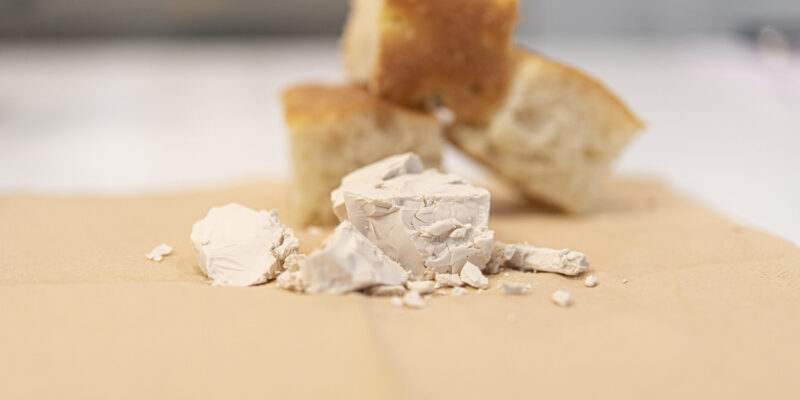
Italy’s yeast sector is gaining recognition as a benchmark for circular economy practices, with manufacturers increasingly repurposing by-products across industries ranging from agriculture to cosmetics. The ASSITOL Yeast Group, representing Italian producers, highlights how sustainability is driving innovation across the sector.
“Yeast is cultivated, not made,” says Daniele Meldolesi, president of the yeast manufacturers group within ASSITOL. Derived from sugar molasses—a by-product of sugar processing—baking yeast (Saccharomyces cerevisiae) undergoes a natural production process that allows for the regeneration of resources and minimal waste.
The circular approach is evident in the reuse of by-products as ingredients in fertilizers, animal feed, energy production, cosmetics, and pharmaceuticals. Notably, agro-environmental applications are emerging as a significant growth area. Yeast-based biostimulants are increasingly used to improve soil health, boost crop resilience to stress, and reduce reliance on synthetic agrochemicals.
“The entire production cycle is designed with sustainability in mind,” Meldolesi adds, pointing to the sector’s investment in cutting-edge cogeneration systems to optimise thermal and electrical energy use. Research into energy efficiency continues, supporting the industry’s drive toward carbon neutrality.
Water management is another focus area. As an essential component in yeast cultivation, water is treated and reused via advanced systems. Despite rising production volumes, Italian yeast companies have cut water consumption by 20% through targeted investments.
Food safety standards are equally rigorous, with tightly controlled production environments ensuring product purity. Italy’s yeast industry exports a significant share of its production—an average of 100,000 tonnes annually—underscoring its global reputation for quality and sustainability.