
It Is All about Taste: the Fifth Taste

Umami. Heard of it? Maybe not but it is the ‘new’ taste that is changing the way we think about and experience our food.
In essence, umami (a Japanese word meaning delicious taste) is a savory taste that we get through glutamate. Glutamate is pretty much the same compound as glutamic acid and is the most common form of glutamic acid in our bodies.
However, it is different from Monosodium Glutamate (MSG). Few letters have the power to stop conversation in its tracks more than MSG, one of the most infamous additives in the food industry.
MSG is a synthetic reproduction of natural glutamate. As a free (unbound) glutamate, it is added to foods to enhance flavor and mimic natural umami. Like most synthetic isolates, MSG has its fair share of problems.
However, research shows that glutamate found in umami, is not only beneficial but also, essential for life. It is the most abundant neurotransmitter in the brain. It serves to activate or excite cells in the brain in order to communicate messages, and is particularly important in the growth and development of the brain, learning and memory.
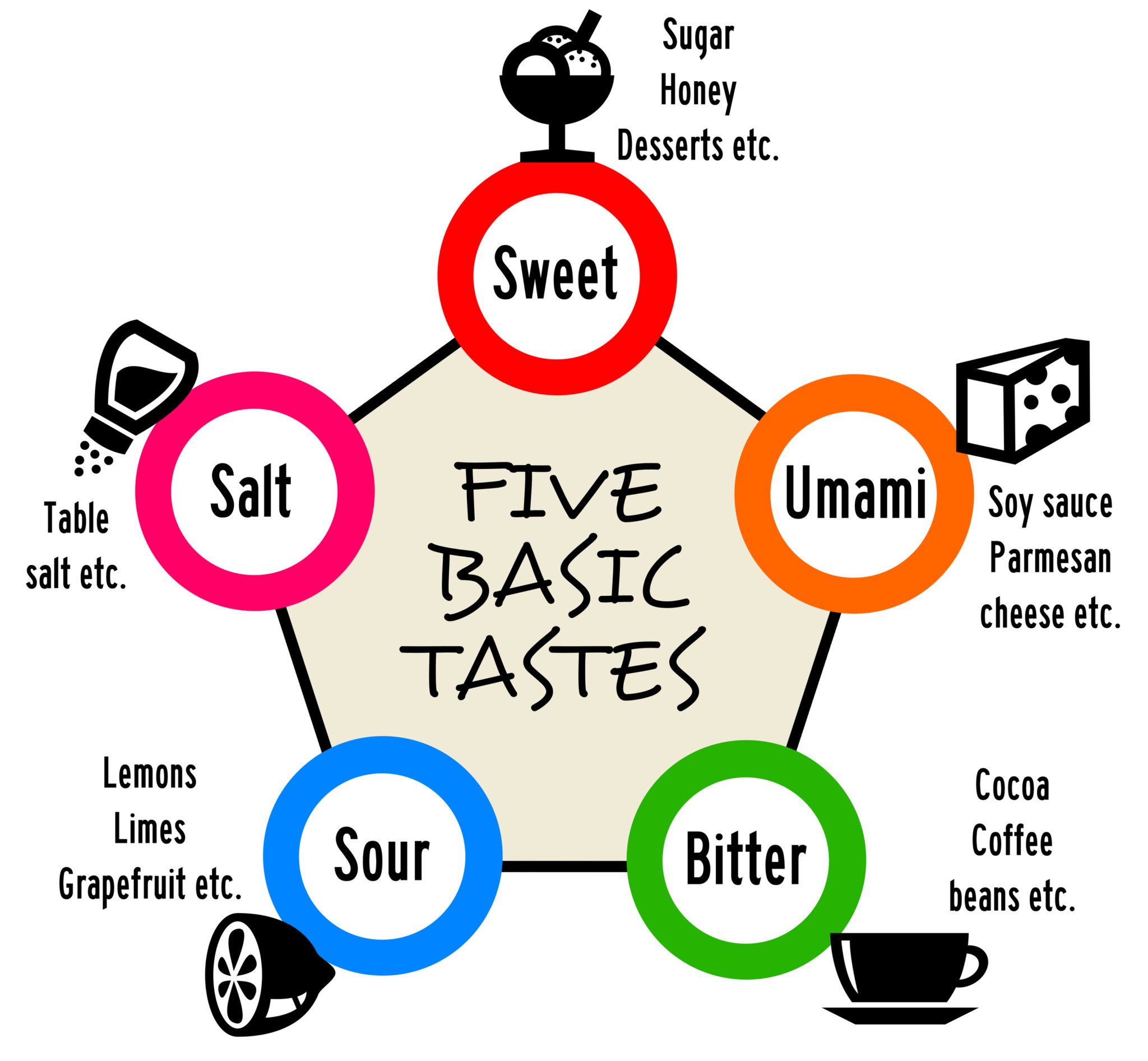
A recent study shows that the ability to taste umami in food could have an effect on our overall health, particularly in older people. Japanese researchers suggest that sweet, salty, sour, bitter and umami are the five basic tastes.
In a small study, taste tests revealed that elderly patients who had lost their taste for umami also complained of appetite and weight loss.
Boosting the saliva flow in their mouths appeared to stimulate their taste buds and improve their eating habits.
Umami is distinctly different from sweet, sour, salty and bitter. It makes the mouth salivate and leaves an aftertaste that many find pleasant but difficult to describe.
Now, I salivate if someone offers me fresh focaccia bread or a cheese roll. Is there a connection?
The well-known British chef and progressive foodie, Heston Blumenthal, says it is good for us.
“Umami is a subject very close to my heart,” he said. “Although it was identified in Japan, it is not an Eastern phenomenon. It is present in all kinds of foods that are familiar to us: anchovies, bouillon bouillabaisse, gumbo, soy sauce, ketchup, Marmite and those pizza staples, Parmesan and tomatoes.
“We might not be conscious of it but by eating foods such as pizza, which includes cheese and tomato, we have gone for foods that are high in umami without realizing it.”
Can Umami benefit the modern baker? The answer is ‘yes’. Being a natural flavoring, it can help bakers cut back on salt and MSG in a variety of baked goods.
From cakes to mince pies, biscuits to sweet breads and artisan baking, like focaccia, Umami can be an important ingredient.
For the baker, olives, tomatoes, nutritional yeast, nuts, Tofu, soy, carrots, broccoli, Parmesan cheese and seeds are all rich in umami.
Carrot cake suddenly sounds pretty good to me, I will have a slice.