
Mintel: Chickpea Flour Has the Potential to Be a Healthy Ingredient in a Wide Range of Products
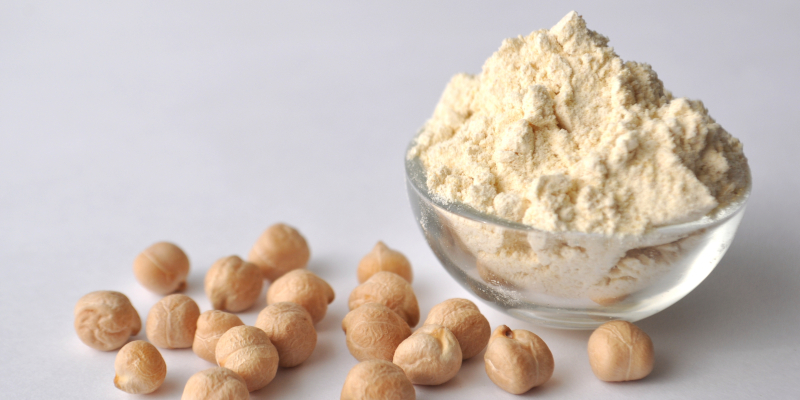
Chickpea flour, known as sattu in India, is one of the healthy ingredients that should be repositioned on the market as a protein-rich ancient legume, Mintel’s analyst Natasha Kumar wrote.
Chickpea has originated in rural regions of East India where it is a household staple, especially among lower socioeconomic classes, and people have depended on it as an affordable source of energy. Today, sattu is popular in rural India as a healthy ingredient thanks to its multi-faceted nature given that it is high in protein, fiber, vitamins and minerals and diabetic-friendly due to its low glycemic index. Sattu’s popularity is limited to consumers in East India and it is little known in other parts of the country, according to the research company.
Mintel Trend “Patriot Games” reveals how consumers are taking pride in traditional methods and going deeper into their roots. Given modern fast-paced lifestyles, consumers are increasingly seeking comfort, and this has fueled enthusiasm not only for ethnic flavors but also for local, traditional ingredients. With this trend, brands have an opportunity to introduce sattu to a broader audience.
In fact, there is an uptick in the use of local Indian ingredients such as millet, amaranth and jaggery in the packaged food and drink space. Here, sattu has the potential to ride this trend. Mintel Global New Products Database (GNPD) reveals that since 2016, there have been very few product launches containing sattu as an ingredient.
Companies can use sattu in multiple ways similar to the way ragi (finger millet) has been creatively incorporated into packaged food products.
Mintel’s analyst thinks that sattu has the potential to see success in multiple product formats, including cooling drinks, ready-to-drink (RTD) energy drinks, and ready-to-eat (RTE) snacks and cereal bars.
“Sattu’s high-protein credentials can be leveraged to appeal to increasingly health-conscious consumers. The versatile ways in which sattu can be used have not been explored enough by packaged food and drink manufacturers. They should look to reintroduce sattu in mass categories like snacks, RTD beverages and ready-to-cook offerings such as idli/dosa batters and premixes for Indian desserts (sattu laddoos). Finally, companies and brands can play up sattu’s traditional significance as an ancient pulse and build a story around its rustic heritage to help consumers identify the various sources of plant-based proteins,” Kumal added.