
Traceability and Recall Do Not Have to Be Scary
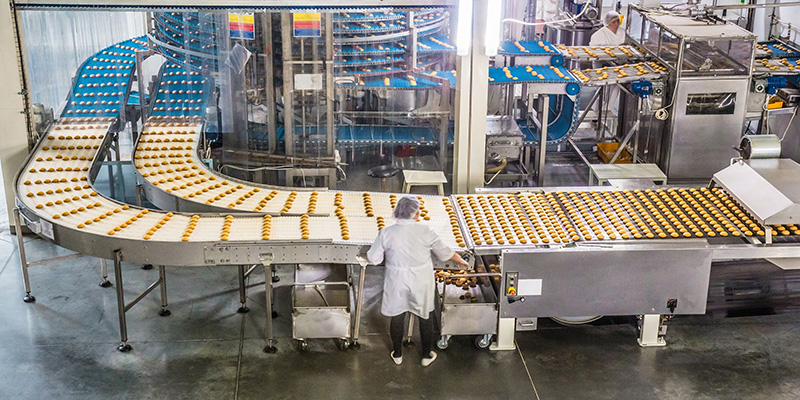
Many good horror stories end with some version of, “…and they disappeared without a trace.” Coincidentally, disappearing without a trace is a different kind of scary in the baking industry. That is because according to the European Union’s Rapid Alert System for Food and Feed (RASFF), there is an average of more than 3,000 food recalls across the EU annually.
By Chuck Mead, Food Safety Professional, AIB International
This means there is real danger in not having a plan for the traceability of ingredients, which will help foster an effective recall program, a crucial component of food safety. Such a plan can help keep consumers safe, strengthen customer relationships and maintain the reputation of the business.
Traceability is the ability to follow (trace) an ingredient, packaging material, processing aide, or finished product from harvest or receiving, through production and to the first delivery point away from the facility. Recall is the ability to get that item or material back or put it on hold until it can be retrieved and or dispositioned. Having a traceability and recall plan is a necessity that supports the growing complexity of the supply chain, better detection of food safety issues, and more efficient mandated reporting by manufacturers and processors. It is also a regulatory requirement in a food safety plan and should include management’s strategy to take quick and effective action when experiencing a recall.
Importance of a Traceability Plan
Bakers and manufacturers track their products and ingredients through all stages of harvest, production, processing, distribution, and retail. They use recorded information to store and share information about ingredients, packaging, and other raw materials. Even though a facility or supplier may have a traceability program in place, the difficulty is often in ensuring such a program is effective.
An effective traceability plan should guide the team’s actions through four stages:
- Identification: The ability to track and trace a product through the entire process and supply chain with a lot or ID number;
- Recording: This number is recorded throughout the life of the product, including each time it is received, transferred, utilized as an ingredient and as a finished product;
- Establishing links: The lot numbers are the thread that ties the food material to all phases of its life, from seed to store, butcher to barbeque, plant to package;
- Communication: Food processors can then map the material through the supply chain and utilize that information to find it at any given point in the process.
Define the Recall Plan
It is also a requirement to have documented procedures and defined responsibilities for carrying out a recall due to the multi-faceted nature of the process.
As a first step, it is important to have an established Food Safety, Recall or Crisis Management team that should include company management, outside consultants and legal representatives. Across the EU, withdrawal of product from the market is mandatory if there is reason to believe food safety requirements were not met, while the proper authorities should also be notified. If the product has already reached the market, consumers will also need to be informed and have product recalled from them.
Notifying all entities that may have product in their possession is key to performing a successful recall. This is why customer/contact lists must be continually updated, so the right personnel can be promptly notified.
Once quarantine of the product has been communicated, obtain the quantities of product in storage for each individual consignee. Arrangements for the return or verified destruction of product should be completed in a timely manner. The quantities of product will be verified once again for reporting to regulators, while also calculating effectiveness of the recall.
Depending on the type of hazard and class of recall, product may be dispositioned. If the product were contaminated with a pathogen or undeclared allergen, the likely disposition would be destruction. However, in some cases the product could be reprocessed if the hazard could be effectively removed and the product would then be rendered safe to consume. All of this must be documented and completed by the Recall or Crisis Management team.
You can read the rest of this article in the July/August Issue of European Baker & Biscuit magazine, which you can access by clicking here.