
Getting Into Better Shape
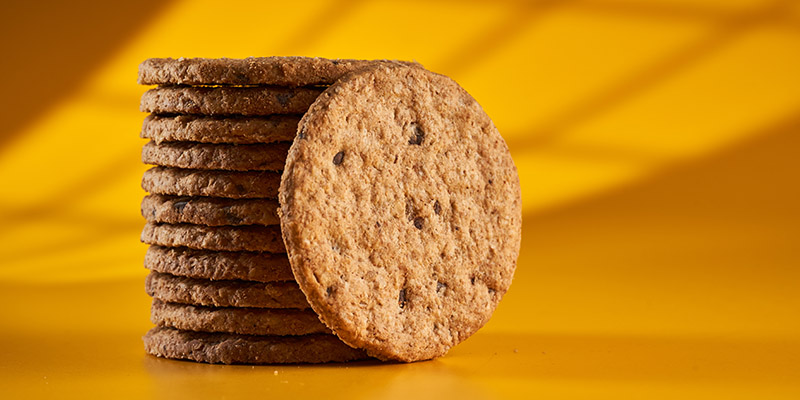
Manufacturers of healthy bakery goods will have to address the needs of an increasingly sceptical and demanding consumer base. The trend towards bakery products marketed as ‘better for you’ is likely to gather pace in the post-pandemic world, as governments and authorities worldwide make more efforts to improve the health of their respective populations.
By Jonathan Thomas
The pandemic has shone the spotlight onto the links between poor health and susceptibility to Covid-19, with obese people accounting for a disproportionately high percentage of victims of the virus. Research carried out in 2020 found that people with the highest BMI (i.e. over 40) were 92 times more likely to die from the virus than those with a BMI ranking of between 18.5 and 25.
Meanwhile, separate research from the World Obesity Federation discovered a strong link between the prevalence of overweight and/or obese people and high numbers of Covid-19 related deaths. Of the 2.5 million worldwide deaths resulting from the virus as of the end of February 2021, a significant 2.2 million (i.e. 88%) of these were attributed to countries where over half of the population were ranked as overweight or obese. A US study carried out at roughly the same time by the Centre for Disease Control and Prevention found that 78% of people who had been hospitalized, needed the assistance of a ventilator or died from the virus were classed as overweight or obese.
Health concerns are therefore highly likely to remain at the top of the agenda for the global food industry as the world recovers from the pandemic. However, certain research undertaken since the first half of 2021 in various parts of the western world (e.g. Western Europe and the US) suggests that, for many consumers, lockdown periods coincided with periods of lower physical activity and overeating, therefore potentially storing up trouble for the future. It remains to be seen over the next few years to what extent these trends add to the public health burden and whether this will translate into punitive measures from the authorities against certain foods in the form of ‘sin taxes.’ In the UK, for example, the National Food Strategy has issued calls for increased taxes on sugar and salt used in processed foods, which, if implemented, would raise the price of potato crisps at the retail level.
Another potentially disturbing trend for manufacturers of bakery goods is the possibility of being sued for positioning products on a health platform. In 2021, a consumer group in the US took Mondelez International (owner of the BelVita brand of breakfast biscuits) to court. It was alleged that the company was wrong to portray the biscuits as healthy on account of their high sugar levels, which, it was argued, contravened local laws in California and New York.
During the court proceedings, it was pointed out that BelVita breakfast biscuits contain between 8g and 14g of sugar. This represents between 32% and 56% of the daily-added sugar maximum level for women recommended by the American Heart Association (AHA) and between 21% and 37% of the daily target for men. However, it was pointed out that sugar levels for BelVita biscuits are typically lower than other forms of popular breakfast foods, examples of which include breakfast cereals, yoghurt and fruit juice. Although the case was settled in September 2021, many within the US legal industry now anticipate similar moves against food manufacturers in the future, as consumers become more aware of dietary intake and increasingly suspicious of products marketed as ‘healthy.’
Prior to these developments, manufacturers of bakery goods were already making conspicuous efforts to improve the nutritional profile of their products. The removal of excessive sugar and saturated fats had become almost second nature, as well as artificial additives to satisfy clean-label requirements. Some categories have gone even further – many bakery snacks are now specifically positioned as people following vegan or gluten-free diets, while the incorporation of added protein is a leading trend within sectors such as cereal bars.
Health perceptions in the western markets of Europe and North America appear to be changing in the wake of the pandemic, carrying significant implications for future new product activity. In the US, the 2021 version of the Food & Health Survey undertaken every year by the International Food Information Council (IFIC) found that health concerns are leading people to focus upon what certain foods contain, rather than what ingredients had been taken out (as has been the case in the past). According to the 2021 survey, 27% of respondents defined healthy by the presence of components such as fruit and vegetables, up from 17% five years previously. In contrast, the percentage of respondents that defined healthy foods by the absence of ingredients such as sugar, salt, saturated fats, etc. had fallen from 35% to 25% during the same period.