
Plant-based Food Market to Reach USD95.52bn by 2029
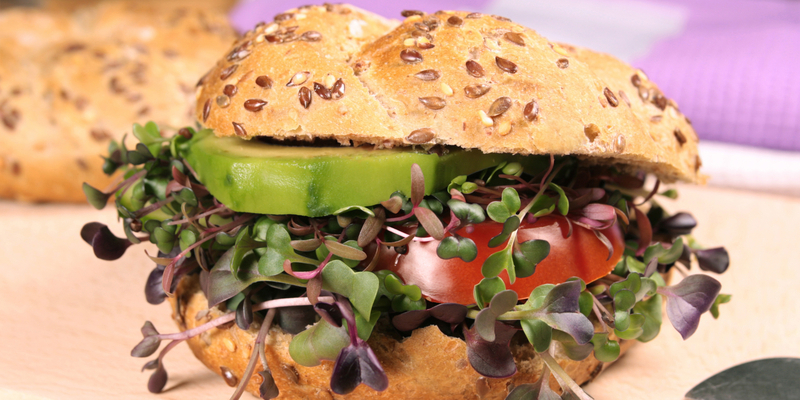
According to a new market research report published by Meticulous Research, the plant-based food market is expected to grow at a CAGR of 12.4% from 2022–2029 to reach USD95.52bn by 2029.
The plant-based food sector has been growing rapidly due to factors such as the increasing concerns regarding greenhouse gas emissions and the increased pressure on land and water usage during animal protein production. These factors have provided significant growth opportunities for plant-based food products, such as meat substitutes, dairy alternatives, plant-based meals, plant-based eggs, and plant-based seafood, which have the capability to satisfy food needs with high nutrition and environmental sustainability. The shift towards plant-based diets has been predominantly driven by consumer concern surrounding health, desire for variety in food consumption, flexibility, and increased ethical awareness fueling the need to incorporate new products, such as vegan meat, egg, milk, seafood, bakery, and confectionery.
In the past 4-5 years, the plant-based food industry has attracted investments from venture capital firms and major established meat supply companies. In recent years, investments in plant-based food manufacturing companies have witnessed a considerable rise as numerous start-ups have started selling plant-based food and experimenting with various vegan products.
Impact of COVID-19 on the Plant-based Food Market
The outbreak of the COVID-19 pandemic has reshaped everything from global economies to product categories, pricing, stock availability, and consumer behavior. This crisis caused people to re-evaluate their diets as it underlined the link between food, health, and immune responses. The effects of the COVID-19 pandemic have provided an unexpected boost for the plant-based food industry. Medical studies show that COVID-19 infection has an overwhelming impact on people with underlying health conditions, such as diabetes, hypertension, and cardiovascular diseases. From a manufacturing and distributing point of view, this industry has faced unprecedented demand from manufacturers as well as consumers, particularly for products such as meat analogues and plant-based milk. In addition, plant-based food is generated with less dependence on labor, making it less prone to staffing scarcity as opposed to red meat, which is relatively labor-intensive, encouraging the production of plant-based food products.
The COVID-19 pandemic also led to some best practice models for the plant-based food industry. Governments across various countries announced relaxations on some of the competition law requirements placed on alternative proteins, mainly for meat alternatives. For instance, the FDA relaxed its guidelines for selling plant-based meat products. Earlier, due to labeling concerns, the FDA did not allow direct-to-consumer sales of the Impossible raw plant-based meat burgers.
The COVID-19 epidemic has highlighted the connection between public health and animal meat consumption, which has resulted in consumers switching to a plant-based diet; hence, many companies in the plant-based food space have already started changing their strategies to meet the increased demand from consumers. For instance, companies such as Beyond Meat Inc., Impossible Foods Inc., and Tofukry Co. are ramping up their production, discounting their plant-based alternative products to appeal to more consumers, expanding into more stores, and partnering with stakeholders. Furthermore, to further capitalize on the increasing opportunities in the plant-based food sector, leading manufacturers, such as Cargill, PepsiCo, Smithfield, and Tyson are implementing various growth strategies, including expansions, new product launches, diversifications, and acquisitions.