
A Biscuit a Day
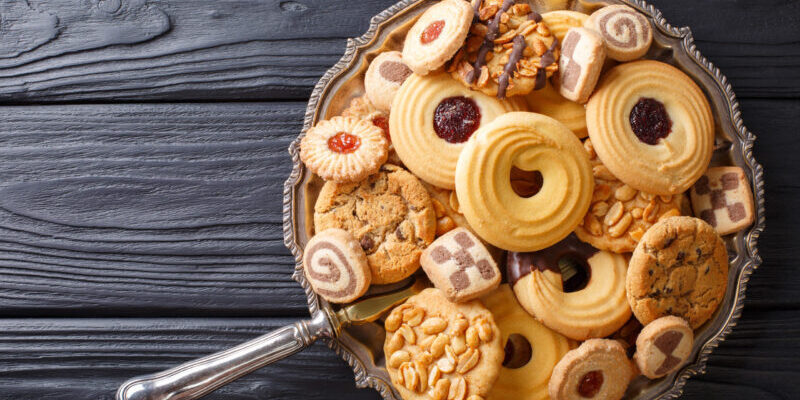
The world has a large and expanding market for snack foods, the range of which continues to widen. Snacks are eaten on a range of different occasions, with more consumers increasingly inclined to view them as replacements for meals or ‘mini meals’ in themselves, rather than simply as a between-meals option.
By Jonathan Thomas
Evidence from the past couple of years suggests that the snack foods sector was one of the main beneficiaries of the pandemic, as consumer eating patterns changed and more people sought out reassuring and/or comforting products in times of stress. Other important market drivers include the desire to eat more healthily, as well as greater consideration of the environmental impact of foods.
According to the latest edition of Mondelez’s State of Snacking report (which surveyed the opinions of consumers in 12 countries and was published early in 2023), 71% of consumers snack at least once a day, with the snacking habit most deeply ingrained amongst the younger age groups. Despite the rising cost of living, 75% of people always find room in their budgets for snack foods, a figure that increases to 80% for millennials. The research also found that snacks are increasingly replacing main meals during a typical day. In 2022, over 60% of consumers claimed to eat snacks for breakfast (up from 50% two years earlier), while a similar percentage turned to snack foods as an option for both lunch and the evening meal.
Cookies and other sweet biscuits remain one of the most popular snack options for consumers. According to the Mondelez research, 65% of consumers claimed to eat these foods at least once a day in 2022, up from 60% three years earlier. Sweet biscuits appear to be more popular as a snack than their savory counterparts, with the percentage of consumers eating savory biscuits or crackers every day rising from 51% to 55% during this time. As can be seen from the table below, cookies and sweet biscuits now represent the second most popular snack option, trailing only bread, rolls and wraps.
Biscuits (both sweet and savory) represent one of the most well-established foods worldwide, with a heritage dating back to Roman times. Traditional biscuits are usually made using ingredients such as flour, fats (e.g. butter), eggs and chemical leavening agents (e.g. baking powder or soda) and are baked to a low moisture content. Sweet biscuits typically feature ingredients such as sugar, cream, jam, chocolate, dried fruit, nuts or icing during the manufacturing process. Many of the sweet biscuits sold throughout the world are referred to as cookies, which are usually baked until crisp or just long enough to remain soft. A significant overlap exists between cookies and sweet biscuits, although some key differences do exist.
In western markets such as Europe and North America, sweet varieties account for the greater percentage of overall biscuit sales. The remainder of the market comprises savory biscuits, a sector that includes products such as crackers. Flavors typically encountered within the savory biscuits market include salt, pepper, cheese, seeds and certain herbs, with garlic and rosemary two of the more common examples. As consumer tastes evolve, the boundaries between sweet and savory biscuits have begun to blur. In parts of the world, consumers have demonstrated a greater interest in biscuits combining sweet and savory flavors. This trend has been most evident in the Asian region – in the South Korean market, for example, biscuits flavored with sugar, coconut and oyster have appeared.
Although consumer expenditure on biscuits has for the most part held up in recent months, markets such as the UK have reported declining sales of lower-cost products, as consumers become choosier in their spending and limit purchases to more indulgent alternatives. Biscuit manufactures are also experiencing an increase in the cost of key ingredients such as flour, sugar and vegetable oil, caused by disruptions in the global supply chain. The market may therefore witness price rises over the coming months as these costs are passed on to consumers.
You can read the rest of this article in the March-April issue ofEuropean Baker & Biscuit, which you can access by clicking here.