
Bread in Retail – and Why the Verdict Against Australian Coles Is NOT Fair
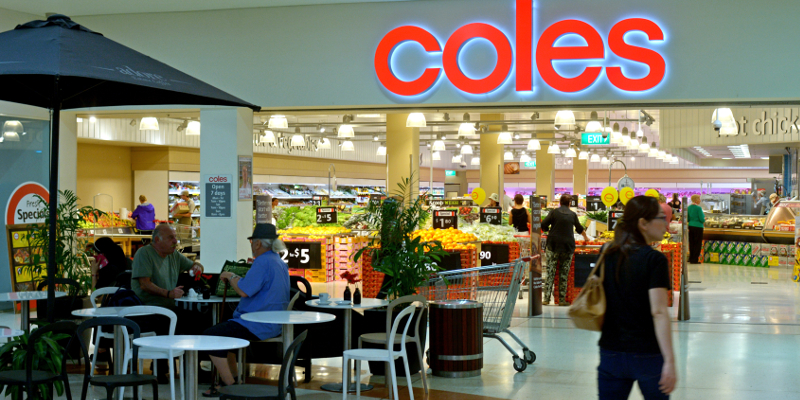
Before my title upsets anyone, please consider that I have worked on b2b magazines for almost eight years now. Our journalistic and business relations are focused on industries such as retail, bakery and vegetable processing; in that sense, I might be considered (at least partly) subjective about these industries. The second thing to consider is that my personal approach to life is to explore, be curious and to learn.
By Svjetlana Krznaric
So, when I am just an average shopper and not always particularly observant about what I put into my basket, well … who is to blame if I discover that a product I bought does not match my personal standards? Myself, I would say. However, I do expect – and know – that products (hopefully 99 per cent of them) do follow various food production standards before reaching retail shelves.
These days, the end consumer tends to be – pardon my description – lazy in terms of learning and reading. Modern society is to a large degree responsible for this, alongside the Internet (lately blamed for almost everything); I believe the hunger for quick media links and speed- sharing and reading contributes to this fact. Consumers are quick to adopt new trends, don’t get me wrong, and to evaluate that ‘this is healthy and this is not’; however, when it comes to thinking through simple processes or cause-and-effect chains, the consumer tends to stop at first general assumptions. How else we can explain statements like: “Chocolate is bad. Chocolate is good. Chocolate kills. Chocolate does wonders for your mood. I eat only dark chocolate.”
When I first heard about the Coles case, my reaction was, ‘Oh, so you are saying someone really thought that 20 bakers bake bread during their night shift at Coles to produce fresh bread for the next day, because Coles advertised ‘freshly baked in-store’ and ‘baked today, sold today? Riiiiight’. What about all the beauty products that will make us skinnier, tighter and blonder? I do not see those companies brought to courts all over the world. Or perhaps consumers simply accept that the properties these products claim to have are ‘just advertising’ and that they promote certain benefits of so-called ‘miracle products’, but that they will not make us younger in the long run?
Back to Coles, bread and retail. The exact claims of Cole’s lawyers were: ‘Phrases including the words “bake” and “fresh” have to be understood in the [context of the] retail environment. You’re not having friends over for a Sunday lunch and baking bread in your house. In a domestic environment there is more of an expectation that it means the whole of the baking process. But we’re not in that domestic environment; we’re in a retail environment.”
Furthermore, the consumer advocacy group CHOICE stated, “that most consumers would have found those [Coles’] claims very hard to swallow’. This makes the entire situation even more confusing: do they mean the consumer is not in denial (about what Coles is being accused of), but they still want to see the retailer punished?
Coles struggled to explain its own, as well as the processes of the modern baking industry and had their partners from Frozen Bakery Solutions testify. We – industry magazines involved in the world of baking – know how much effort and resources industrial research labs invest in developing new and better products for the end consumer. Industry works from the point that the consumer needs better products and that they know better products are possible. Why then would anyone think that the consumer is uninformed? Frozen bread is not a fraudulent product and should not be considered or labeled as such!
The above debate levels my argument at global public food-oriented media: what is its purpose and why is it not interested in discussing with its audience aspects like grocery shopping, product trends and consumer duties in an honest and forthright manner? Why is there such a big gap between specialized media and public media? Shouldn’t there be a healthy balance in terms of coverage?