
FDF Provides Guidelines to Combat Obesity
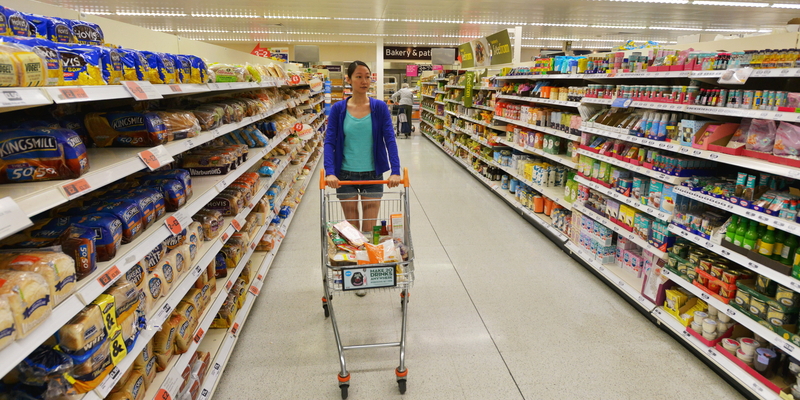
The UK Food and Drink Federation (FDF) has recently launched a new report, named “Feeding change”, that offers a guideline for producers in order to help them develop new, healthier products for the final consumer.
The report underlines that obesity and other poor-nutrition conditions are a major problem in the UK. “More than a quarter of adults are obese. In children, one in five entering primary school and one in three starting secondary school are overweight or obese. The health implications associated with being overweight or obese are numerous: type 2 diabetes, coronary heart disease, and cancer,” the report shows.
Kate Halliwell, FDF Head of UK Diet and Health Policy says: “In this report, we aim to provide a snapshot of the great work FDF members have done to improve the nation’s diet. FDF and its members recognize they have a role to play in tackling obesity, but we cannot do it alone. Through continued collaboration with governments across the UK and other industry stakeholders, we are committed to being part of the solution and to improving the nation’s diet – and our commitment is demonstrated in this new report.”
Among the solutions proposed in the report, the FDF mentioned product reformulation, reducing portion size and offering healthier options.
Reformulation Process
According to the FDF, the steps for the reformulating process are:
- Start with the original product;
- Feasibility – Assess opportunities to introduce product changes for health;
- Brief – Design product brief;
- Development – Trial recipe changes in a development kitchen;
- Factory trials – Establish how to make the new product at scale and implement changes;
- Finish – Take the new product to market.
The expert view regarding product reformulation comes from Leatherhead Food Research: “From surveying our consumer panels, we know that a healthy diet is becoming increasingly important to people. Leatherhead Food Research’s recent questionnaire revealed that 44% of UK consumers are trying to eat less sugar, 8% are trying to eat more protein, 5% are trying to exclude gluten and 6% are trying to cut dairy from their diet. However, reformulation is not easy. Reformulation has an impact on flavor profiles, sweetness profiles and many elements of texture, color, and visual appeal. (…) Understanding the science behind these changes is key to successful reformulation. Food and drink regulations also need to be considered so that products are legally described”.
The report offers the example of companies and products that succeeded in the reformulation process. For the bakery industry, the most mentioned type of reformulation was reducing sugar content.
For example, Premier Foods have reduced sugar in their Mr Kipling Viennese Whirls by 6%, removing circa 50 tons of sugar from the UK diet, as well as reducing total sugar in their Ambrosia Devon Custard by 7% (in added sugar 13%reduction), removing approximately 200 tons of sugar from the UK diet. The company has also reduced sugar per serving in their Cadbury Cake Bars by 4.6% and in their Cadbury Cake Bars Caramel by 2.5%.
The second company mentioned by the report – Macphie – has produced a range of cake mixes and frostings, which have been reduced in sugar by 30%, without compromising on taste or quality. “Their reduced sugar range replaces sugar with inulin – a vegetable fiber made from chicory root which is 100% natural. Macphie is now looking to expand the healthier alternative range across more of its existing products, including its biscuit and flapjack products,” FDF remarks.
General Mills have reduced sugar by 17% in Petits Filous in a significant recipe reformulation that has also seen vitamin D fortification increased to 50% of the daily-recommended amount per portion. The recipe changes extend across Petits Filous fromage frais small and big pots and were introduced at the end of November 2016. The meaningful sugar reduction will see sugar levels reduced to 9.9g per 100g. One serving of Petits Filous (2 x small pots, 94g) will now contain 9.3g of sugar and Petits Filous big pot (85g), 8.4g of sugar.
Kerry Taste & Nutrition use their deep understanding of taste and nutrition to provide solutions in the development and reformulation of foods and beverages. For adding back the taste profile that is lost when sugar is removed, “Kerry’s TasteSense technology enables up to 50% sugar reduction and is declared a natural flavoring. It addresses all product challenges; sweetness optimization, mouthfeel and masking, and can be used across a variety of foods and beverages. Kerry also developed DairySource to replace or reduce fresh cream. A creamy taste is experienced while the product contains less fat content (up to 40%) and fewer calories (20%),” according to the document.
Nestlé Cereals have reduced sugar in many of their cereals. Across the Cookie Crisp, Honey Cheerios, Honey Nut Shredded Wheat, Coco Shreddies, Frosted Shreddies and Multigrain Cheerios ranges, Nestlé have reduced sugar by between 1.2% and 6.2%. The reformulation of Nestlé Multigrain Cheerios is expected to reduce the sales weighted average for sugar/100g of Nestlé breakfast cereals by 2.9%, removing 250 tons of sugar annually.
The Jordans & Ryvita Company cut the added sugar in Jordans baked breakfast cereals by a sales weighted average of 10% between 2014 and 2015 through gradual changes to the composition of its recipes. The business, which also removed added salt from all Jordans products in 2009, operates an internal nutrient profiling model that places an emphasis on product reformulation to remove salt, fat, saturates and added sugar from recipes while adding in more fiber, whole grains, fruits, nuts, and seeds.
Nestlé UK & Ireland has more than 80 brands. FDF considers that Nestlé has a huge responsibility to help improve public health. They have an ongoing program of research and development to improve their products in both taste and nutrition over time. Nestlé UK and Ireland have cut 2.6 billion teaspoons of sugar and removed more than 60 billion calories from products since 2015 whilst maintaining taste. Some of the biggest examples of reformulation to reduce sugar and calories in its famous brands over the last three years include KitKat®, Milkybar®, Cheerios® and Sanpellegrino®.
Mondelëz International has been heavily invested in wellbeing strategies since the company’s inception in 2012. Their work is supported by over 40 internal Mondelëz International nutritionists, dieticians and food scientists including public health professionals who partner with external experts. In 2016, Mondelëz International reformulated Cadbury Highlights, achieving an 8.5% sugar reduction which is 9% reduction per portion with milk.
Portion Reduction
Speaking about portion reduction, the British Nutrition Foundation offers an expert view: “To tackle obesity, we’ve got to think about how much people are eating as well as what they are eating. It’s been estimated that reducing our exposure to large portion sizes could lower our calorie intake by up to 16%. This has been clearly recognized by Public Health England – reducing portion sizes is a key feature of its sugars reformulation strategy for manufacturers, retailers and the out-of-home sector. For the food industry, it’s important to understand what consumers want from portion size information and how they might react to different sizes when choosing foods and drinks. This is particularly relevant for some snacks as these can be the high in salt, fat and/or sugar, which we’re encouraged to eat less of, and are likely to be pre-portioned, meaning the portion size provided can represent a ‘normal’ amount to consume in one sitting for a consumer. Some countries include portion size information for consumers as part of their food-based dietary guidance, but in the UK we only have portion size guidance for certain foods. The British Nutrition Foundation is currently developing a resource on portion sizes, which aims to complement the Eatwell Guide and help consumers put healthy eating advice into practice. This will be published later this year. Portion size is a growing priority for public health and one where the food industry can be an integral part of the solution.”
Mentioned in this chapter as well, Mondelëz International is committed to ensuring all single serve chocolate confectionary products are under 250 kcal per serving. Cadbury Bar and Half products were delisted. Mondelëz International increased portion control options across all products by 26% in 2015. The company isis part of the “Be Treatwise” initiative, actively encouraging people to enjoy treats occasionally, with BeTreatwise prompts on the pack and re-sealable packaging.
Healthier Options
Regarding healthier options, Leatherhead Food Research shares insights: “Healthier options can mean a range of things. As part of a healthier diet, a reduction in the levels of sugar, fat, and salt are recommended. 39% of UK consumers are looking for healthy products that make them feel full for longer, 19% are looking for products containing key vitamins and minerals and 17% want products to match their personal dietary and nutritional needs. As with sugars, salt and fat have functional roles in foods, giving flavor, texture, lift and preservative effects. Using science to underpin and explain these sensory properties allows the product developer to identify the functional roles precisely and make a healthier product that meets customers’ requirements. For example, fat reduction can be achieved by restructuring the water and oil in an emulsion such as a mayonnaise or salad dressing. By changing these emulsions from a standard high oil in water system to a water-in-oil-in-water(WOW) emulsion the level of fat can be reduced significantly but the creaminess and flavor retained. Regulatory issues are also important. For example, the claims “light” and “reduced” can be used as a comparative claim, provided that the conditions of use are being met. Comparative nutrition claims are widely used by the food industry as a powerful marketing tool to inform consumers about healthier options”.
Among producers who made effort to offer healthier options to their customers, Kellogg’s, as part of its Better Starts initiative to provide families with healthier choices, has launched a new organic and vegan range of cereals, including no added sugar cereals and granolas. The range includes: Coconut, Cashew and Almond Granola (no added sugar): 5.4g of sugar per 45g serving, Apricot and Pumpkin Seed Granola (no added sugar): 7.2g of sugar per 45g serving, Classic Wheats (no added sugar): 1g of sugar per 40g serving, Raisin Wheats (no added sugar): 5.9g of sugar per 45g serving and Super Grains Granola: 11g of sugar per 45g.
More than half of Pepsico’s product portfolio is now defined as ‘healthier’ according to OFCOM (the communications regulator in the UK) standards. Quaker launched a Granola range with 30% less sugar and fat than the average Granola on the market. Furthermore, 60% of PepsiCo’s single-serve savory snacks are now 130 calories or less.
The Healthy Food Development Ltd have launched two new products, “LowGicFood Cakes” Lemon Almond and Cherry Bakewell Slices. The two products have seven benefits: no added sugar, under 200kcal per 85g slice, high in protein, high in fiber, low in carbohydrates, low in GI, and reduced fat.
Rethinking Sugar
Nestlé researchers made a scientific breakthrough transforming the structure of sugar through a new process using only natural ingredients. This allows someone to perceive the same level of sweetness while consuming less sugar. This has led to the new Milkybar Wowsomes bar that has 30% less sugar than similar chocolate products and contains no artificial sweeteners, preservatives, colors or flavorings. Other products with lower/no added sugars include Rowntree’s® 30% less sugar Randoms and Fruit Pastilles, Nesquik® Chocolate with 30% less sugar.
pladis has recently launched a range of sugar-reduced go ahead! products as part of its health and wellbeing program. The recipe changes will remove 347 tonnes of sugar each year, with reductions of 10% in Crispy Fruit Slices & Yoghurt Breaks, and between 22-40% in Fruit Bakes. The revised recipes contain fewer calories, and Fruit Bakes has been renamed Fruit and Oat Bakes because of the addition of more oats to the snacks. The changes have been extended across the go ahead! portfolio, with the launch of a range of no added sugar Goodness bars.
The current focus of the Jordans & Ryvita Company is on using less added sugar, which plays an important role in the texture and structure of ‘cluster’ based baked cereals in particular. Over the past 12 months, the business has launched a range of low-sugar granola products, made using chicory root fiber as a replacement for added sugar. They are also currently working with The University of Nottingham and other specialist partners, exploring how to reduce the amount of added sugar within its cereal bar recipes, as part of a project cofounded by Innovate UK.
Mondelëz International successfully reformulated and launched Trebor Mighties as a sugar-free brand extension of the Trebor range, in Mint and Berry Mint varieties, and launched sugar-free Halls in 2016.
In the section called “Beyond Food”, Cereal Partners UK, who manufacture Nestlé cereals, launched a Star Wars promotion on only their healthiest cereals (including gluten-free products). All products that carried the promotion were non-HFSS and averaged just 3g of sugar and 0.2g of salt. The products chosen were: Cheerios, Low Sugar Oat Cheerios, Shreddies, Shredded Wheat, Bitesize Shredded Wheat, Go Free Cornflakes, Go Free Rice Pops.
The FDF is the voice of the UK food and drink manufacturing industry, the largest manufacturing sector in the country. The UK industry has a turnover of GBP97.3bn, which is 19% of total UK manufacturing, with Gross Value Added (GVA) of GBP28.8bn.