
Price-fixing Arrangement Hinders Earnings for Canadian Bakery
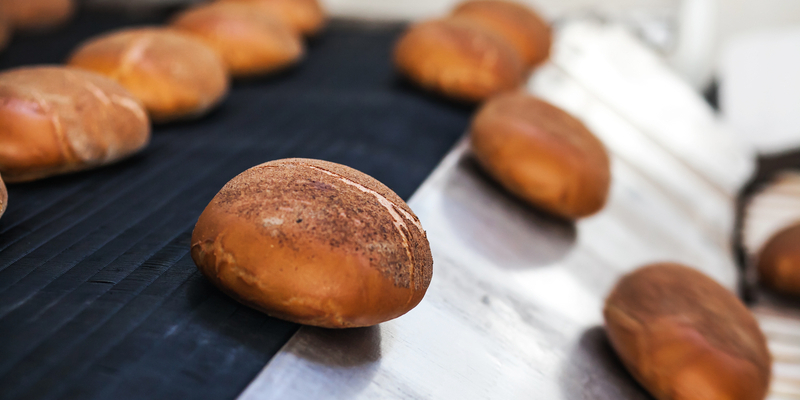
Canadian bakery George Weston Ltd. confronts negative fiscal results at the end of the fiscal year 2017.
The results were affected by the admission that George Weston and its main subsidiary, the grocery store Loblaw, had participated in what they say is an industry-wide arrangement to co-ordinate the price of bread for at least 14 years. Days later, the grocery chain issued USD25 Loblaw Cards to consumers to compensate for manipulating the cost of bread, accused to be contrary to the Competition Act.
On December 19, 2017, the company and Loblaw announced actions taken to address their role in an industry-wide price-fixing arrangement involving certain packaged bread products. The arrangement involved the coordination of retail and wholesale prices of certain packaged bread products over a period extending from late 2001 to March 2015. Under the arrangement, the participants regularly increased prices on a coordinated basis.
George Weston Ltd.’s profit in the fourth quarter was cut by two-thirds as a result of special items including the cost of a USD25 Loblaw Card program launched in compensation for the company’s involvement in a price-fixing scheme.
Net earnings available to common shareholders of the company in the fourth quarter of 2017 were USD28m (USD0.22 per common share), a decrease of USD54m (USD0.42 per common share) compared to the same period in 2016. The decrease included improvements in underlying operating performance of USD24m (USD0.19 per common share) which were more than offset by the unfavorable year-over-year net impact of adjusting items totaling USD78m (USD0.61 per common share).
Weston Foods sales were USD527m in the fourth quarter of 2017, a decrease of USD10 million, or 1.9%, compared to the same period in 2016. Sales included the negative impact of foreign currency translation of approximately 2.8%. Excluding the unfavorable impact of foreign currency translation, sales increased by 0.9%, mainly driven by an increase in volumes and positive sales mix.