
Embracing Electric and Hybrid Industrial Ovens: A Smart Investment for the Baking Industry
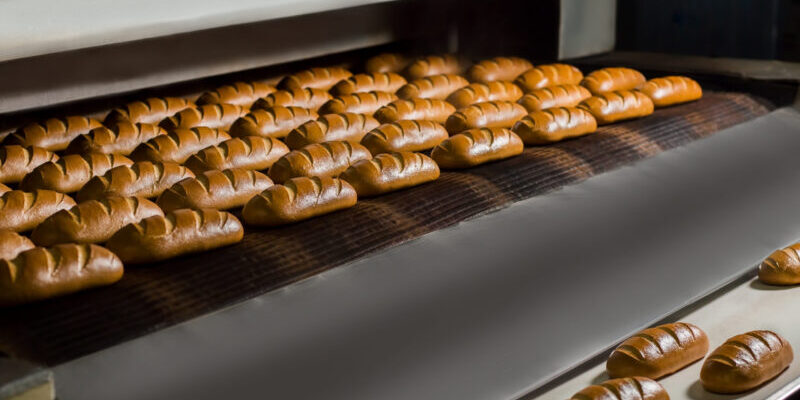
In an era where sustainability and energy efficiency are gaining paramount importance, the baking industry is experiencing a significant shift towards the use of electric or hybrid industrial ovens. As energy costs continue to rise, bakery owners and professionals are realizing the immense benefits of adopting these innovative ovens.
The decision to transition to electric or hybrid ovens yields a considerable return on investment over the long run. While the upfront costs may seem substantial, the savings achieved through energy efficiency and reduced maintenance expenses compensate for the initial investment. Electric or hybrid ovens are designed to maximize energy utilization, resulting in reduced utility bills and improved profitability. Their long lifespan further contributes to a solid return on investment.
As the cost of traditional energy sources, such as gas, continues to rise, bakeries face the challenge of maintaining profitability while managing their operational expenses. Electric or hybrid ovens present a viable solution to mitigate this issue. These ovens leverage electricity, which tends to have a more stable price trajectory than fossil fuels. By reducing reliance on gas burners, bakery owners can better predict and control their energy expenses, safeguarding their bottom line.
When considering the switch to electric or hybrid ovens, it is crucial to evaluate the costs associated with purchase or retrofitting. While the initial investment may appear higher than traditional gas ovens, it is essential to factor in the long-term benefits. In some cases, retrofitting existing ovens with electric burners might be a more cost-effective option. Bakeries should consult with experienced suppliers or manufacturers who specialize in industrial ovens to determine the most suitable solution based on their specific needs.
Electric or hybrid industrial ovens bring about a range of positive changes to the baking process. First and foremost, these ovens offer precise temperature control, ensuring consistent and uniform baking results. This accuracy is particularly beneficial for delicate products that require precise heat management. Additionally, electric ovens eliminate the need for open flames, resulting in a cleaner and safer working environment for bakery staff. The reduced emissions also contribute to better air quality within the bakery premises.
The transition to electric or hybrid ovens does not compromise the quality or taste of baked products. In fact, these ovens often enhance the baking process, resulting in superior and more consistent products. Electric ovens provide even heat distribution, minimizing the risk of undercooked or overcooked items. Bakers can achieve optimal texture, browning, and rise, ultimately creating products that meet or exceed customer expectations. Furthermore, the absence of combustion byproducts ensures that the baked goods maintain their natural flavors, untainted by any residual gas or smoke.
GEA Retrofit Kit for Electric Ovens
This electric oven retrofit kit is a quick and easy way to switch from high-consumption gas ovens to more sustainable electric options. The changeover can be done swiftly and simply within a normal eight-hour work shift – depending on the oven characteristics. In addition, an electric tunnel oven consumes 15 to 20 percent less energy than a gas-powered oven.
For customers wishing to switch to carbon-neutral production, the retrofit kit makes it possible to test manufacturing the baked product by way of electric baking before investing in a new oven. The GEA retrofit kit offers a great deal of flexibility in switching from gas to electricity or a mixture of both, depending on the product specification. Steam injection and turbo power facilitate fine-tuning of the baking process in an electric environment in order to achieve the desired baking result.
MECATHERM’s M-DAN Oven
MECATHERM, one of the world leaders in the design of automatic production lines and an expert in the baking, pastry, and industrial food sector, presents its new M-DAN Oven, an evolution of the FDAN Oven. The M-DAN Oven is dedicated to the production of delicate products. It prioritizes hygiene and food safety. With this new oven, MECATHERM used its baking expertise to evolve its product line by introducing an even more accessible oven that is easier to clean, both inside and outside.
This allows major players in the industry to meet the strictest sanitary standards in the delicate pastry products market and food sector. More than ever, agri-food industry players face growing challenges. They must be able to adapt to the increasing market demand for diverse products, comply with stringent sanitary standards, and find solutions to maintain their industrial performance amidst an energy crisis and soaring prices.
You can read the rest of this article in the Summer issue of Asia Pacific Baker & Biscuit, which you can access by clicking here.