
Global Pulse Ingredients Market to Reach USD32bn by 2031, Driven by Plant-Based Protein Demand
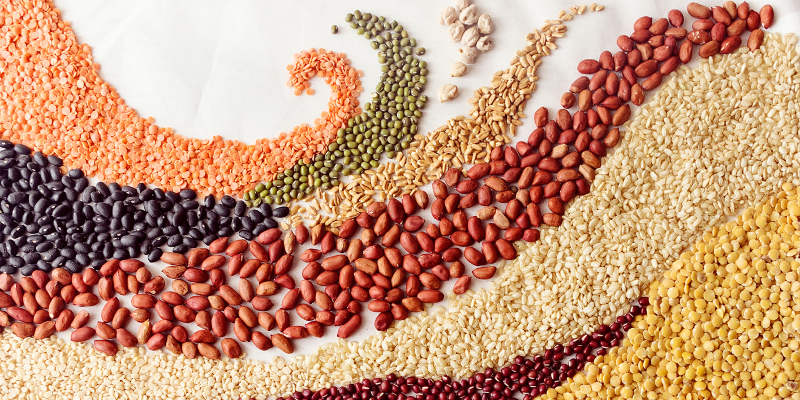
The global pulse ingredients market is forecast to expand at a compound annual growth rate (CAGR) of 6% from 2024 to 2031, according to a new report from Verified Market Research. Valued at USD22bn in 2023, the sector is projected to reach USD32.05bn by the end of the forecast period, supported by growing demand for sustainable, high-protein and clean-label food ingredients.
Demand for Plant-Based Proteins Fuels Growth
The global shift toward plant-based diets continues to reshape the food industry, with pulse ingredients—derived from peas, lentils, chickpeas and beans—benefiting strongly from this transition. Consumers increasingly seek protein-rich, ethical and environmentally friendly alternatives to animal-derived ingredients, driving significant growth across bakery, snack and meat substitute applications.
Manufacturers are reformulating recipes to include pulse proteins that deliver nutritional benefits such as high protein and fibre content, while maintaining low-fat profiles. The trend is reinforced by rising awareness of sustainability and clean-label commitments, encouraging both established brands and new entrants to invest in pulse-based formulations.
Expanding Functional and Fortified Food Applications
Pulse ingredients are also gaining traction in functional and fortified food categories. Rich in amino acids, minerals, complex carbohydrates and dietary fibre, pulses are being used in nutritional snacks, meal replacements, sports nutrition and infant food. Their role in supporting digestive health and cardiovascular wellness has made them a preferred ingredient in nutraceutical and health-oriented product lines.
This versatility allows manufacturers to innovate across multiple consumer segments, from gluten-free to high-protein and clean-label products. As health-conscious consumers increasingly prioritise functional foods, the demand for pulse-based solutions is set to create new opportunities for R&D and premium product development.
Policy Support Strengthens Market Prospects
Government initiatives promoting sustainable agriculture are further bolstering market growth. Pulses contribute to soil fertility through natural nitrogen fixation, reducing the need for chemical fertilisers. In regions such as North America, Europe and Asia-Pacific, policymakers are supporting pulse cultivation through subsidies, awareness campaigns and dietary inclusion programmes.
Organisations including the UN and FAO have highlighted the environmental and nutritional value of pulses, reinforcing their role in global food security. For manufacturers, sourcing traceable and eco-friendly pulse ingredients provides access to premium markets and sustainability certifications, supporting long-term supply chain resilience.
Market Challenges
Despite its promising outlook, the pulse ingredients sector faces several challenges. Price volatility and limited raw material supply remain key concerns, as yields are vulnerable to climatic fluctuations and regional infrastructure constraints. Trade disruptions and export restrictions further add to supply uncertainty.
Functional limitations in processed foods also pose technical hurdles. Off-flavours, solubility issues and limited emulsification properties require additional processing steps such as roasting or fermentation, increasing production costs. Moreover, competition from alternative proteins like soy, wheat gluten and insect-based ingredients continues to pressure pulse producers to differentiate through innovation, taste improvement and sustainability credentials.
Regional Outlook
North America currently leads the global pulse ingredients market, supported by advanced processing infrastructure, strong consumer demand for plant-based proteins, and government backing for sustainable farming practices. Europe follows closely, driven by strict clean-label regulations and rapid innovation in plant-based formulations.
Asia-Pacific—particularly India and China—is emerging as a high-growth region thanks to abundant pulse cultivation and expanding functional food manufacturing capabilities. Together, these regions are set to drive the next phase of growth in a market increasingly defined by health, sustainability and innovation.