
The Meat-free Revolution
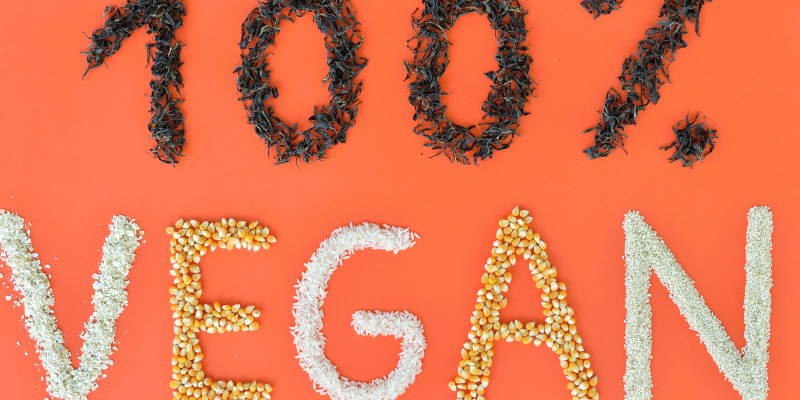
My weekly food shop mostly consists of barging past the usual traffic of people, trying to find what I need without too much hassle. However, being someone who writes about the food industry, I sometimes try to make time to notice what is on the shelves. So, this time round, I paced the aisles, looking out for any new products and trends.
By Daisy Phillipson
Do you know what? I did find something: I was surprised to see just how many plant-based, vegan and meat-free replacements there are. Of course, many of these have been around for years but, now, rather than being buried away in some obscure, niche section of the supermarket, they are becoming more “mainstream”.
Following my encounter, the following day, whilst waiting in line for my morning coffee at Starbucks, I noticed a new addition to the menu: a veggie feast flatbread that is 100 per cent vegan. It is not often that coffee shop chains offer any fully plant-based food, aside from the odd bowl of fruit here and there.
With this in mind, November also saw Panera Bread, which is known for its artisan sandwiches, soups, salads, baked goods and breads, announce that its menus will include more plant-based proteins. This follows its move in June to remove 150 artificial additive ingredients.
Of course, veganism has been around for a long time, with pioneers adopting the idea in the US in the early 1970s. It now seems that this trend is growing ever increasingly strong, particularly since the revelation of the World Health Organization’s (WHO) recent announcement of the carcinogenic dangers of processed and meat.
In October this year, WHO announced that consuming 50g of processed meat a day (this includes bacon, sausages, hot dogs, salami, corned beef, beef jerky and ham) increases the chance of developing colorectal cancer by 18 per cent. Although we have always been aware that this type of meat is not the healthiest, it has sent ripples through the industry to have it in concrete just how detrimental these types of products can be.
This announcement has not resulted in a crowd of consumers throwing their bacon sarnies away with disgust, or a ban on supermarket beef burgers. Instead, what it has done is just added to the increasing number of people who are seeking out information about alternative diets and taking an interest in them. It has opened people’s minds. In addition, the vegan market is still very much considered to be a healthy lifestyle and one that we are continuing to see grow, particularly in developed markets.
In Germany, for example, new research from Mintel highlights a growing trend towards vegetarianism and meat-reduced diets among young consumers. Last year, Mintel reported that 12 per cent of the UK population follow vegetarian and vegan diets.
Not only are we seeing consumers fully switch to such diets but also, more people are having ‘meat-free Monday’ or ‘vegan week’. There has been a rise in the sales of products such as almond milk instead of regular milk and soy protein flakes in place of minced meat. A steady increase of replacement products has been hitting the shelves.
What does this mean? Is 2016 going to see a meat-free or vegan revolution? Of course not. What is far more likely is, as consumers continue to adopt healthier eating habits, there will be more vegetarian and vegan NPD from manufacturers.
Finally, what do I think? Is this trend a good thing? Absolutely. As mentioned in my previous post, I think a holistic approach to diet is important. Incorporating more plant-based and processed meat-free products will help with this.