
Egypt Considers Bread Subsidy Overhaul as Global Inflation Increases
Egypt is considering replacing a popular bread subsidy with cash payments for the poor to protect the budget from soaring global wheat prices, but domestic inflation and a history of protests could make the government opt for a less ambitious reform, according to Reuters.
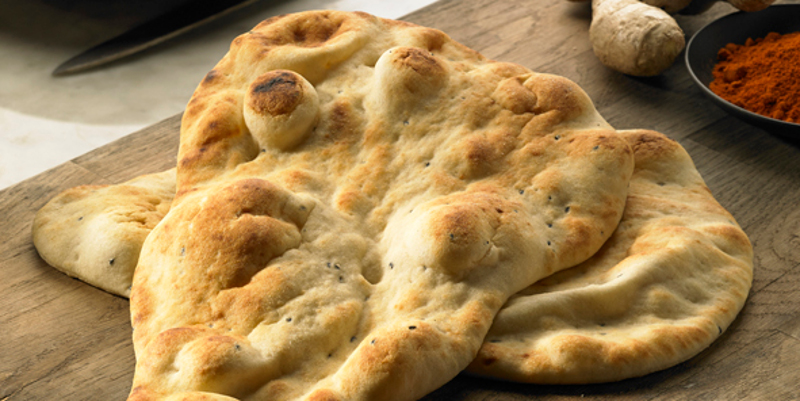
Under the existing program, more than 60 million Egyptians, or nearly two thirds of the population, get 5 loaves of round bread daily for 50 cents a month, little changed since countrywide “bread riots” prevented a price hike in the 1970s.
The handout is a lifeline to the poor, but is widely criticized as wasteful. High global prices for wheat, which Egypt imports on a vast scale, led President Abdel Fattah al-Sisi to say last year that it was time to tackle the bread subsidy.
Ali Moselhy, the minister in charge of subsidies, told Reuters that inflation, which has climbed in recent months to 6% from 4% earlier in 2021, made it harder to replace the support for bread and other food with cash handouts.
“When inflation is stable, then you can introduce cash,” he said.
Moselhy has said he personally favors giving people money specifically to buy bread. Eligible Egyptians already get a monthly $3.20 voucher for other subsidized food.
However, he said a broader idea to introduce unconditional payments, favored by many economists as the most efficient welfare system, risked driving up prices by putting more cash into circulation at a time of rising inflation.
The government aims to draw up a plan for reformed food subsidies in time for March budget preparations, officials have recently said.
Moselhy said that for now, the government had not taken a decision on what to do, and was focused on improving the database of recipients, with the intention of “finding out who needs what.”