
Oven Revolution: The Tech Marvels That Stand Out
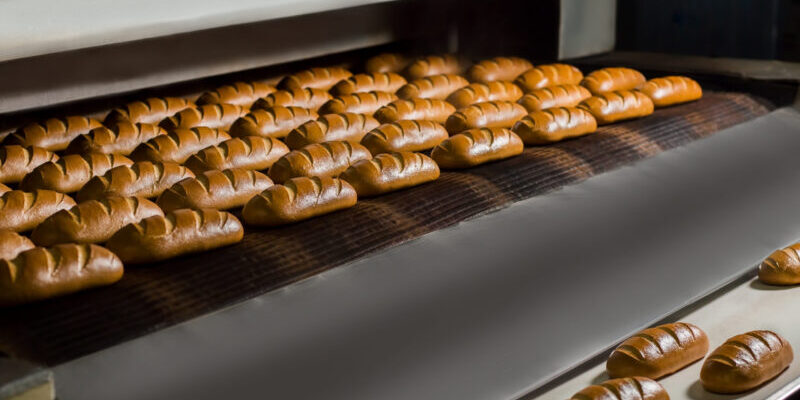
Industrial baking ovens have been the backbone of the baking industry for decades. These colossal machines have, over time, evolved from rudimentary, labor-intensive setups to advanced, automated marvels that can churn out thousands of baked products with unparalleled consistency and quality.
However, as consumer expectations soar, so do the demands on the technology behind these ovens. The contemporary market for baked goods is no longer satisfied with ‘good-enough’ results. Instead, it craves precision, versatility, and sustainable practices.
One of the primary drivers of innovation in industrial baking ovens is the market’s desire for consistency. Whether it’s a batch of baguettes, croissants, or gluten-free muffins, consumers expect each product to be identical in taste, texture, and appearance. Achieving such uniformity is no small feat, especially when producing at an industrial scale. This challenge has prompted manufacturers to integrate cutting-edge technology into their ovens, enabling precise temperature control, humidity regulation, and even baking times to ensure that each loaf, roll, or pastry is a masterpiece.
Industrial ovens are also adapting to the demands of healthy-conscious consumers by incorporating features that facilitate the production of healthier options. For example, ovens equipped with steam injection systems can create crusts that are crisp and flavorful while keeping the interior moist, eliminating the need for excessive fats and oils.
Consumers have developed a keen appreciation for the artistry and craftsmanship that go into making handcrafted bread and pastries. As a result, industrial baking ovens are now designed to accommodate a broader range of baking techniques, from long fermentation processes to stone hearth baking. This flexibility allows large-scale bakeries to make products that rival the quality and taste of those found in smaller, artisanal shops.
Sustainability has become a non-negotiable factor in today’s consumer choices. Industrial baking oven manufacturers are actively responding to this demand by developing eco-friendly solutions. Energy-efficient designs, waste reduction features, and emissions control systems are now standard in many industrial ovens, aligning with the industry’s commitment to reducing its environmental footprint.
RBS Bets on Electric Future
Energy-saving advances are at work in the latest generation of RBS ovens, a range designed to cut costs, energy consumption, and greenhouse gas emissions. RBS also offers fully electric baking options and a new, more efficient, sustainable oven design to replace direct gas-fired (DGF) ovens for cracker baking.
In recent years, RBS has conducted oven testing using alternative fuels and electric energy. From an energy efficiency standpoint, the conversion of electricity to heat is 1:1, making it 100% efficient. Electric oven zones are also simple to operate and maintain. For these reasons and more, RBS sees the baking industry moving to electric ovens in the future. As the industry leader in sustainable baking solutions, RBS oven systems are known for their operational efficiency, reliability and longevity. Electric oven technologies check all those boxes, and research shows that they bake just as well as gas ovens. RBS conducted hours of tests and R&D work that shows there are no significant oven performance differences between gas and electric power sources.
You can read the rest of this article in the September-October issue of European Baker & Biscuit, which you can access by clicking here.