
Rotary Molders: The Backbone of Biscuit Production
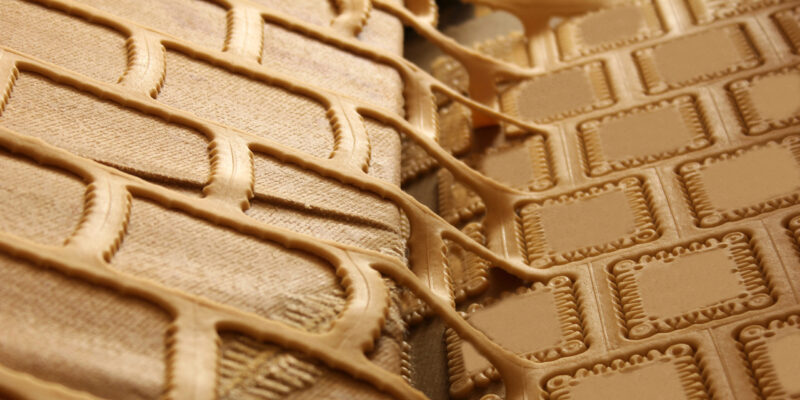
In the economics of large-scale industrial baking, precision and efficiency are paramount. Ensuring that every biscuit meets the desired specifications while maintaining a high output rate is a complex task. At the heart of this operation lies the rotary molder, a sophisticated piece of equipment that plays a central role in forming biscuits.
Rotary molders are industrial workhorses, built with durability in mind. These machines are designed to withstand the rigors of continuous operation in bakery facilities, where high-volume production is the norm. A sturdy frame houses precision-engineered rollers and conveyor belts, which make up the core elements of the molder.
Roller Design for Precision
Central to the rotary molder’s functionality are its rollers. Crafted with meticulous precision, these rollers are the artisans of biscuit shaping. Their design, texture, and dimensions are critical to achieving uniformity in the final product. Adjustments to these rollers allow for flexibility in accommodating various biscuit shapes and sizes, a necessity in today’s diverse market.
The rotary molder seamlessly integrates with the dough preparation unit in the production line. It relies on a well-coordinated dough feeding mechanism to ensure a continuous and consistent dough sheet enters the rollers. This synchronization is essential to maintain the flow of the production process, preventing bottlenecks or delays.
The right dough composition and the materials used for molders and belts are key aspects that can influence the molding process for the better. According to technology experts from Padovani, in the process of molding with a rotary machine, the sheet plays a very important role: depending on the type of mix used, it is possible to encounter problems of poor or excessive adhesion to the sheet. In the first case, the biscuits tent to remain inside the mold shapes so that when the products are delivered to the oven, biscuit parts or entire biscuits may be missing. This can lead to problems in baking and packaging processes.
On the other hand, if the problem is excessive adhesion, then there will be major issues when the sheets go through the rotary machinery with the belt in the oven, as the biscuits will tend to remain stuck to the sheet, thus deforming in the passage, or the passage might not take place at all because there is the possibility for the biscuits to “slide” under the delivery side; in this case, they must be removed from the sheet using a special tool, according to the company.
“Obviously, the dough used plays the biggest part in the process of cooking,” Padovani representatives explain. The rotary machines work properly if the mixture is consistent and the level of fat contents is at a rather low level. The range may be extended based on the settings of the rotary machine (at the moment, they come with settings independent from the speed of the molding roller, of the rubber roller and the feeding roller, so as to allow a greater flexibility) and the choice of the materials from which the rollers, the rubber rollers and the sheets are made, the experts says.
Speed Control for Harmony
Operators have precise control over the speed of the rotary molder. This feature is crucial for maintaining alignment with other components in the production line, particularly the ovens. Speed adjustments ensure that the biscuits are delivered to the oven at the right moment, optimizing baking results and overall throughput.
The rotary molder can be customized to meet all processing requirements and can form part of a complete production line for a wide range of biscuits and cookies.
GEA high capacity rotary molder ensures precise control of dough weight and so consistent formation of every dough piece. Standard features include automatic belt tension and tracking. Tool-free mold changeover and belt replacement make switching between products fast and easy.
For high capacity processing of products that require short baking times through a long oven, GEA can configure the unit with bigger diameter forming rolls. This configuration offers smooth, high quality dough piece extraction from the mold to the oven belt.
GEA rotary molding units can be provided with full servo-motor control for precision and accuracy. Adjustments can be made through the user-friendly operator interface, and a recipe storage system ensures quick product changeover to reduce down time.
Optional functionality and accessories that can be integrated with the rotary molder include a brush or roller type egg wash distributor, sugar sprinkler, spray-type glazing unit, ink printer and topping machines. All GEA equipment is designed to meet the highest safety, hygiene and sanitization requirements.
You can read the rest of this article in the Fall issue of Asia Pacific Baker & Biscuit, which you can access by clicking here.