
The Everlasting Appeal of Sourdough Bread
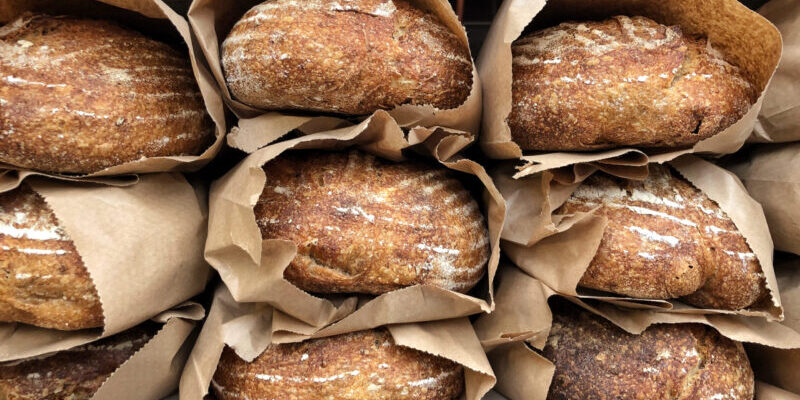
If anyone thought the consumer’s interest for sourdough everything would die down with the COVID-19 pandemic, they were definitely wrong. The past few year showed the the transition from an artisanal product to industrially-produced loaves because the demand just wouldn’t budge.
The continued popularity of sourdough reflects more than a passing consumer fad: it represents a sustained shift in how people value bread. For bakeries and manufacturers, this trend highlights growing demand for authenticity, craftsmanship, and health-linked narratives in baked goods.
Consumers associate sourdough with natural fermentation, minimal ingredients, and artisan skill, making it a symbol of quality in both retail and foodservice. The slow-fermentation story connects to broader wellness and clean-label trends: easier digestion, longer shelf life without preservatives, and enhanced flavour complexity. These benefits allow producers to position sourdough not just as a traditional loaf, but as a premium product that justifies higher margins.
Industrial bakeries have responded by adapting technology to replicate artisan processes: using dried or liquid sourdough cultures, long fermentation systems, or hybrid methods combining traditional starters with controlled fermentation. Meanwhile, craft bakers continue to build loyalty through signature sourdoughs that express regional flour, fermentation profiles, and even sustainability credentials.
According to Market Research Future, the global sourdough market was valued at USD2.83bn in 2023 and is forecast to reach USD6.9bn by 2032, expanding at a CAGR of 10.27%. Growth is fuelled by rising health awareness among consumers and the increasing popularity of sourdough for its perceived nutritional and digestive benefits.
The trend toward vegan, clean-label, and organic bakery products continues to boost demand, as sourdough aligns naturally with these preferences. Consumers seeking authentic, minimally processed foods are driving interest in artisanal breads and traditional fermentation methods across both retail and foodservice sectors.
The perception of sourdough bread as healthy has risen, with 62% of consumers now viewing it as healthier, a 10% increase since 2021. Sourdough’s versatility is reflected in the growing consumer interest in various baked goods, with significant increases in searches for sandwich bread (+653%), bagels (+217%), and cookies (+149%), among others, according to Puratos’ Taste Tomorrow research.
The increasing popularity of sourdough is further demonstrated by the US Craft Bakers Association’s data indicating that around 57% of the association members sold three sourdough products in April 2022 which further increased to 64% by December 2022. Further, around 10% of the members are planning to expand their sourdough products offering in the upcoming years. Similar is the trend among various countries across the world. Thus, the increasing number of health-conscious customers and the rising popularity of sourdough is expected to drive the growth of the Sourdough Market.
Making Sourdough an Industrial Product
There are many aspects that make transitioning sourdough production from an artisanal process to an industrial one a difficult challenge. For once, there is the instability of the natural sourdough starter, a truly wild ingredient that needs constant adjusting of the process. For this, a solution comes from Puratos, an ingredient company that managed to tap into the potential of sourdough and created stabilized industrial starters manufacturers can use to create consistent sourdough loaves.