
Twist Like This: Bread Bag Sealers Turn Sustainable
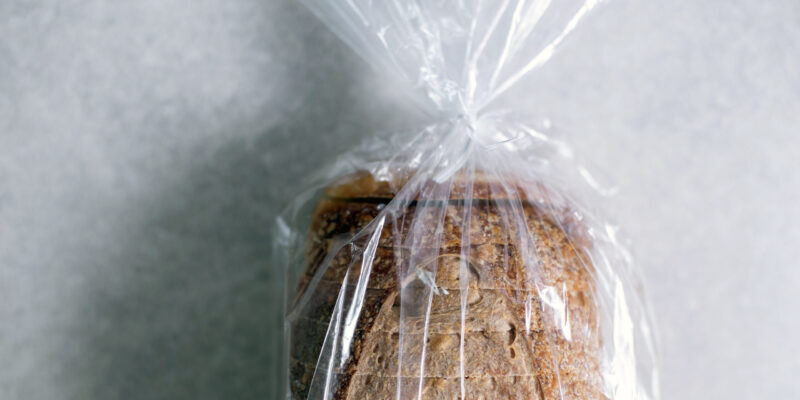
Tiny is the piece of plastic, metal or paper that closes the bread bag. For a long time, people didn’t pay much attention to it beyond fulfilling its purpose, to close the bread bag, keep it fresh for longer and keep critters away. But when consumers and producers became more and more aware of waste and their own practices in managing it, the bag closer became a question mark. What to do when you’re done with it?
The ongoing dialogue between consumers – may they be bread makers or end-consumers, the people to eat the bread – and producers of bag closing solutions is the biggest driver of change in the industry.
As Don Carrell, CEO of American producer Kwik Lok, says: “The key is the conversation. Because it’s not the same for everybody. Everybody can have different goals, based on what country you’re located in. The misconception with sustainability is that you check the box and you have this one product that fixes it. That’s so far from the truth. The reality is that every country in the world and every region has nuances that are important. Is it recyclability? Is it compostability? Is it reusability? What are we going after? So not one material will check all those boxes.”
Kwik Lok has been making bag locks since 1954. They are little tags that can be applied manually or by a sealing machine and, while at first they were made of plastic, now they come in a variety of materials and shapes, with inscriptions or color codes, and are available all around the world. That is why Kwik Lok’s research and development process looks at the local regulations and the client’s sustainability goals before coming up with solutions that fit.
We Seal, a British company that has been providing 95% of the UK market with self-adhesive reusable tags for 30 years, is looking at the research and development process from a different view point. But, just as with Kwik Lok, it all begins with the end-consumer. In their case, the focus on sustainability lies on how to make recycling easier for the consumer and more predictable for the recycling industry.
“Consumer attitude towards food packaging has changed enormously in recent years,” says Richard Hobson, We Seal CEO. “People have flirted with the idea of compostable or biodegradable plastic bags, but then it became apparent that these can ultimately contaminate recycling streams if disposed of incorrectly. Paper bags – which are popular with consumers – just aren’t strong enough on their own and can’t keep products fresh for as long, leading to increased food waste. The plastic linings which make them more viable, ultimately complicate and in most cases prevent their recyclability.”
So they focused on the bag, looked at how it’s used and disposed of and made sealers that match that journey. “Fundamentally, polythene and polyethylene bags have come out on top because they’re lightweight, effective in keeping the product fresh, and fully recyclable,” says Hobson. “From our perspective, we wanted to offer a bag closure that is completely compatible with the bag, meaning that it can be recycled along with it. In this endeavor, metallic or rigid plastic closures just don’t make sense, and so we’ve made it our business to provide a polypropylene bag closure that’s compatible with different poly bags.”
Sealing Machines that Grow
Both companies also look at sustainability from the perspective of the other component in the sealing process: the machines they built to seal the bread bags without the need of human effort. In this case, sustainability takes the form of adaptability: how flexible the machines can be to decrease waste and unwanted spending.
We Seal offers its clients the option to receive a sealing machine and the consumables required, in exchange for a monthly fee based on a price per 1000 closures – so as to avoid the initial investment into expensive equipment. “This is a popular option for some businesses who would prefer to avoid the upfront cost,” says Hobson.
You can read the rest of this article in the September-October issue of European Baker & Biscuit, which you can access by clicking here.