
We Improved Products, How Do We Change the Way We Sell?
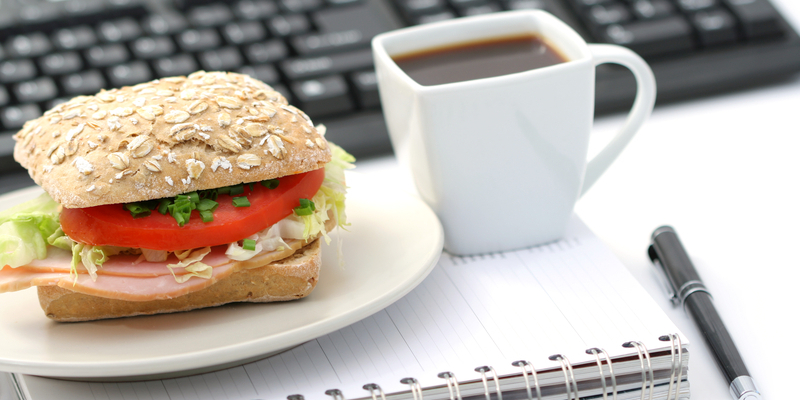
The bakery industry has undergone radical changes. Nowadays, we talk about lower sales of bread, but we notice growth in the sandwich category; we talk about premiumization, about specialties, about gourmet products. We also speak about healthy, clean label, free-from, organic and sustainable ingredients. And this list could go on.
In this context, we should also speak about convenience and life-style. Consumers also seek these and the industry has to make important steps in this regard.
As consumers have become busier and more practical, manufacturers have to adapt. Looking at the global market, probably Panera Bread, with its efficient delivery system implemented during the last years, is the most visible company, with steps towards convenience.
Panera Bread has been delivering lunch and dinner on demand to customers in some areas since 2016. Today, the delivery program is expanded to 897 cities across 43 American states. Quite impressive, isn’t it? At the end of 2017, the company had 10,000 drivers and other employees to handle the increase in orders. Online orders are now 30% of Panera’s sales.
Now let’s take a look on global figures. In the USA, the revenues in the bread and bakery products segment amount to USD67,987m in 2018. The market is expected to grow annually by 2.6% (CAGR – 2018-2021), according to Statista. In the food market, the total revenue generated through online sales by 2021 will be only 3.6%.
Let us also take the example of Australia, as a country with a high living standard and a mature bakery market. New research from Roy Morgan shows that over the year ending March 2018, 9.46 million Australians aged 14+ (46.8%) purchased something online in an average four-week period, an increase of 590,000 in just 12 months. It also represents an increase of 2.3 million since 2014. Moreover, 2.4 million Australians bought online something from the food and beverages category, meaning an 8.2% growth in the past 12 months.
These are all open-ended dynamics in the market, well worth looking into. I would also recommend checking what makes consumers reticent to buying online. Referring to the American market, Mintel shows that over half (53%) of online buyers are concerned about the safety of products. Almost eight in 10 (78%) consumers are concerned about the freshness of food products they buy online. The lack of trust (14%), the lack of ability to test the value of the products (69%) are other reasons mentioned by online buyers.
What determines Americans to buy online? Saving money (56%), avoiding the store and saving time. Women (48%) are more likely than men (37%) to buy a food or drink product online, so they can avoid going to the store. It seems that mothers are also appreciating the convenience of online grocery shopping as they are the most likely group overall to purchase food and drinks online in order to avoid the store (52%). Mothers are also a consumer category that is very likely to say they purchase food and drinks online to save time (56%), according to Mintel analysts.
Online selling has many aspects to be analyzed, which need to be taken into consideration, whether referring to the corporate employee who orders online a sandwich for lunch or the busy mother who purchases online food for a week, including bread and other baked goods. The sandwich category, mentioned at the beginning of this blog post, is known as a “savior” of bread sales, but it is also driven by the consumers’ will for premium ingredients, for on-the-go products and for online availability.
In a mother’s online cart, bread and baked goods won’t be definitely the only products, but the industry has to entice the clients to also buy this type of goods online.
The industry has been improving its products and offerings during the past years, but now it needs to research and develop the way it sells these goods, and how to best reach consumers.