
Free-from, Not Free Form
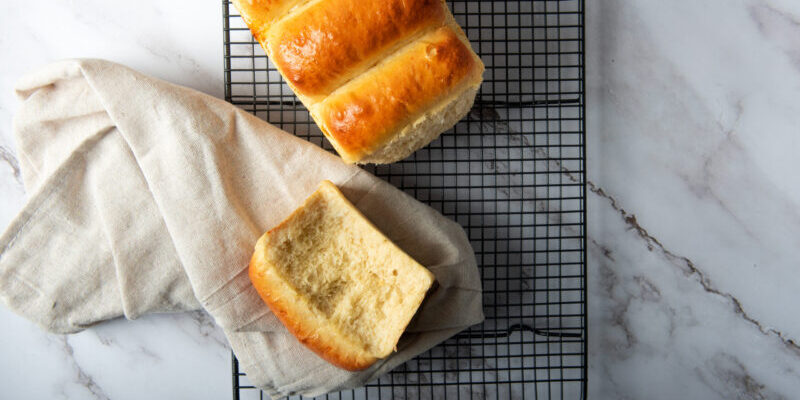
Baking plant-based products comes with a series of specific challenges, as working with alternative ingredients – from nut flours to vegetable oils to plant-based eggs, butter, and milk – changes dough characteristics in many ways. But free-from products still need to look like proper professionally-made baked goods and there are many solutions that help bakers give them the looks and feel of conventional ones.
Vegan baking is not a new thing. There are people all over the world who adopt a permanent or seasonal vegan diet for cultural or religious reasons. But being vegan for ethical and climate reasons is a new vector that changes the landscape of vegan/omnivore consumers all over the world. More so, the number of people who buy plant-based bakery products includes flexitarians – 42% of global consumers, according to Euromonitor International. Combined with the particularities of urban lifestyles – with a preference for on-the-go, convenient food – they make for a significant market. One that is estimated to reach a global value of USD298m in 2023 and USD491.5m in 2033, according to Future Market Insights.
The main animal-origin ingredients used in bakery products are dairy and egg, but there are also others: milk fats, such as butter, used for flavor, a crumbly texture, and the laminated effect in puff pastry; milk powders, used to aid browning; yogurt, for acidity; soft and hard cheeses for cheesecakes, biscuits and crackers. Plant-based fats are mostly palm oil-based, but also coconut and shea. When it comes to eggs, removing them from dough, batter or filling leads to a loss of structure, which is largely created by the gelling function of the egg white proteins when heated. Plant-based egg replacers are usually modified starches, gums, pectins, and seeds like chia and linseeds, which can form a glue-like substance.
All these new ingredients require special attention to technology and production lines, as the dough ends up behaving differently than animal-based, gluten dough.
The Hydration Conundrum
When it comes to plant-based doughs that are also gluten-free, one of the biggest challenges is hydration. A gluten-free bread dough, for example, typically requires a 120-130% hydration. That can prolong the mixing time, as the flour needs time to absorb the water and other liquids before becoming malleable and workable. Exact Mixing, a provider of continuous mixing solutions that is part of Reading Bakery Systems, introduced in the past years a new technology named Hydrobond that delivers “instant, even hydration of a dry ingredient stream before it enters the continuous mixer,” according to the company. This uniform hydration is accomplished without adding heat to the dough, and results in shorter mixing time. The technology is based on the principle that mixing smaller amounts of liquid and dry ingredients together at one time is easier and more efficient.
Another technology is brought to the market by Buhler, which offers the JetMix Hydration System. The micro-dosing technology enables dosing flour with unparalleled accuracy: smoothly dispersed as a flour curtain, the individual particles are hydrated by a 360° water jet. The resulting dough can be processed directly, or is ready for fermentation as predough or sourdough.
Production Lines At Their Own Speed
Plant-based and gluten-free doughs are sticky and not always easy to process. In the absence of the structural networks created by wheat gluten or egg white, the dough tends to lose its shape and stick to instruments and recipients. For that reason, dedicated production lines have been developed. The main difference in these specialized production lines consists of a more gentle handling of the dough, which is obtained by adapting the speed of different actions.
Read the rest of the article in our new supplement, Asia Pacific Overview.